E&O Insurance for California Tax Preparers
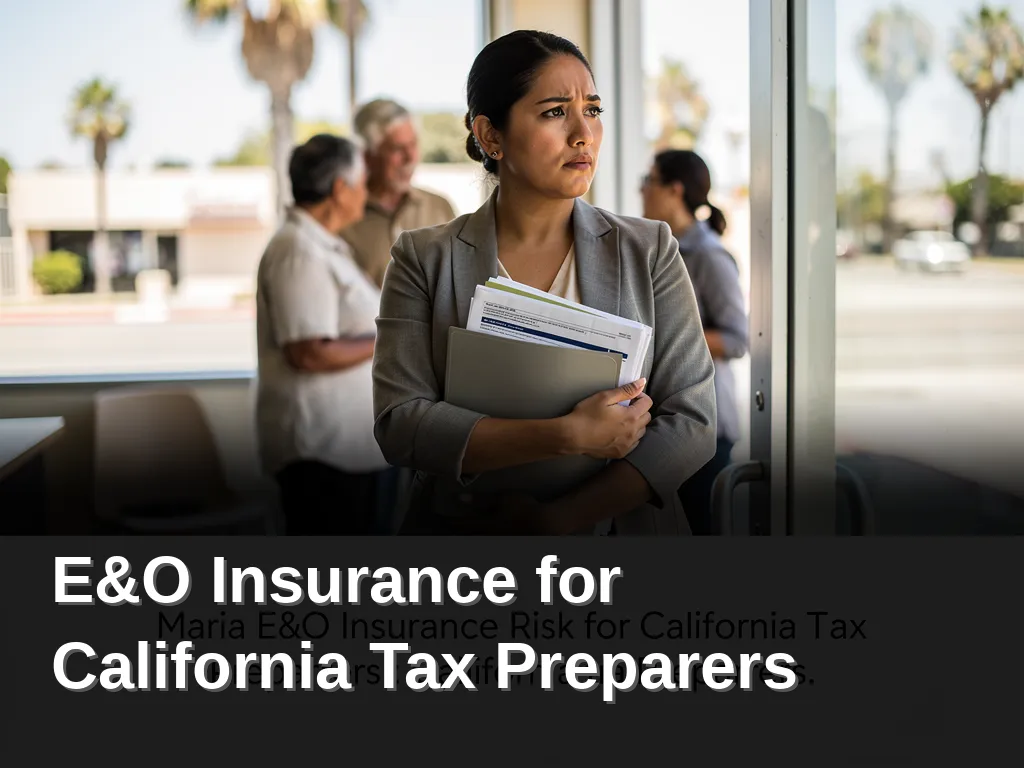
What happened to Maria, a California tax preparer, E&O Insurance for California Tax Preparers
Errors and omissions insurance protects California tax preparers from costly claims of negligence, inaccurate advice, or misrepresentation. Even small mistakes on a client’s return can trigger legal action. E&O insurance California tax preparer professional liability coverage safeguards a preparer’s business, covering defense costs and settlements. CTEC requires a surety bond, but E&O insurance provides broader financial protection beyond that bond.
What happened to Maria, a California tax preparer?
Maria, a solo tax preparer in Fresno, faced a lawsuit after a client’s return triggered an IRS audit. The client claimed Maria miscalculated a major deduction, resulting in back taxes and penalties. Without proper coverage, Maria paid the legal defense costs out of pocket, a financial blow that nearly shuttered her practice. Her story is not unique. Tax preparers across California discover too late that a single filing error carries consequences no professional can afford to absorb alone.
How does a simple filing error become a lawsuit?
A miscalculated credit or deduction often starts the chain reaction. The client receives an unexpected tax bill plus interest and penalty charges. Frustration turns into a formal claim alleging negligence or inaccurate advice. Insureon’s analysis of tax preparer risks identifies filing errors, such as miscalculating deductions or credits, as a common trigger for these disputes. The preparer then faces legal costs regardless of who is ultimately at fault.
What does the law say about preparer liability?
California tax preparers are legally liable for errors or mistakes on client returns. Negligence, erroneous advice, or failure to properly prepare a return all create grounds for a claim. The TaxSlayer Pro team confirms this exposure, noting that preparers may be subject to legal action under exactly these circumstances. Liability attaches even when the mistake was unintentional.
Maria’s experience highlights a critical gap in California tax preparer risk management. A tax preparer errors and omissions policy covers the very claims that sank her business:
- Negligence in preparing a return
- Inaccurate advice about deductions or credits
- Misrepresentation of tax obligations
The Hartford defines these as core protections under professional liability coverage. A CTEC bond vs EO insurance comparison reveals the bond protects the state and consumers from fraud, while tax preparer professional liability insurance shields the preparer’s own assets. For any E&O insurance California tax preparer professional, that distinction matters. Maria learned the difference the hard way.

How would an E&O policy have responded to the lawsuit in California
How would an E&O policy have responded to the lawsuit?
An E&O insurance California tax preparer policy responds to a lawsuit by covering legal defense costs and any resulting settlement or judgment. The coverage activates when a client alleges the preparer’s professional service caused a financial loss. Without this protection, a single claim drains personal assets and threatens the entire practice.
What triggers coverage under a tax preparer errors and omissions policy?
A tax preparer errors and omissions policy triggers when a client files a claim alleging professional negligence. Common triggers include missed filing deadlines, data entry mistakes on returns, or advice that led to an unexpected tax liability. The insurer then investigates the claim and, if covered, pays for the preparer’s legal representation. This response begins regardless of whether the preparer actually made an error.
Does the policy cover bad advice or missed deadlines?
Yes. An E&O policy steps in when a client claims the preparer made a mistake, missed a deadline, or gave bad advice that caused them a financial loss. For tax professionals, these scenarios represent the most frequent professional negligence claims. The policy covers both the cost of defending against the allegation and any damages awarded.
This coverage is important for businesses that offer professional services or advice, like tax preparation businesses. Errors and omissions insurance is a specialized type of coverage that protects tax preparers against liability arising from errors or negligence in their tax services. A tax preparer professional liability insurance policy ensures the preparer does not face these costs alone.
The distinction between a CTEC bond vs EO insurance matters here. A CTEC bond protects the client from fraud or statutory violations. An E&O policy protects the preparer from the financial consequences of mistakes. Both form essential layers of a sound California tax preparer risk management strategy. TaxPreparerSurety.com specializes in providing California Tax Preparer Surety Bonds, required for CTEC registration.

What is the difference between a CTEC bond and E&O insurance in California
What is the difference between a CTEC bond and E&O insurance?
A CTEC bond is a mandatory surety bond required for California tax preparer registration. An E&O insurance California tax preparer policy is a separate, typically voluntary professional liability coverage that protects the preparer’s business from legal claims.
California’s Tax Preparation Act, codified at Business & Professions Code Sections 22250–22259, established the bond requirement for non-exempt tax preparers. CTEC oversees enforcement, making the bond a prerequisite for licensing rather than an optional safeguard. The bond protects clients from fraud, misrepresentation, theft, or negligence. Without it, a preparer cannot legally operate in the state.
A tax preparer errors and omissions policy serves a different purpose. Usually, errors and omissions insurance for tax preparers is not required by state law. Certain clients, employers, or local jurisdictions may require it before allowing a preparer to work with them. This coverage steps in when a client claims a mistake, missed deadline, or bad advice caused financial loss.
Which protection does California law actually require?
California law ties licensing directly to client protection. The surety bond is non-negotiable for CTEC-registered preparers. Operating without it violates state regulations and blocks registration entirely.
A tax preparer professional liability insurance policy carries no such state mandate. Many preparers obtain it voluntarily because the bond alone does not cover defense costs or settlements from professional errors. The bond reimburses harmed clients. E&O insurance shields the preparer’s own assets.
How do these coverages fit into a California tax preparer risk management plan?
Effective California tax preparer risk management treats the bond and E&O insurance as complementary layers. The bond satisfies the state’s consumer-protection requirement. E&O insurance addresses the financial reality of lawsuits alleging inaccurate advice or missed deadlines.
The history of California’s tax preparer bond shows that lawmakers designed it as a public safeguard, not as business protection for preparers. A complete risk strategy pairs the mandatory bond with a professional liability policy. This combination meets CTEC compliance while defending against claims the bond never covers.

Why do California tax preparers need professional liability insurance
Why do California tax preparers need professional liability insurance?

Professional liability insurance shields California tax preparers from the financial devastation of client lawsuits. Even meticulous preparers face claims when returns trigger audits or unexpected liabilities. Without coverage, a single error drains personal savings and destroys a practice built over years.
Mistakes are often inevitable components of tax preparation, as noted by Drake Software. A misplaced decimal, a missed deduction deadline, or a misinterpreted state code creates real liability. California clients who suffer financial loss pursue recovery aggressively, and preparers remain personally exposed without an E&O insurance California tax preparer policy in place.
What does a tax preparer errors and omissions policy actually cover?
A tax preparer errors and omissions policy responds when clients allege negligence, inaccurate advice, or misrepresentation. The Hartford identifies these as core triggers for professional liability claims. Coverage extends to legal defense costs, settlements, and judgments, protecting both the preparer’s business assets and personal finances from catastrophic loss.
Is E&O insurance mandatory for California tax preparers?
State law does not universally require tax preparer professional liability insurance. Insureon confirms that E&O coverage is typically not mandated by statute. However, certain clients, employers, or local jurisdictions impose it as a condition of engagement. Even when optional, the policy remains a smart addition to any California tax preparer risk management strategy, closing a gap that a CTEC bond vs EO insurance comparison makes starkly clear.
How can you build a complete California tax preparer risk management plan?

A complete California tax preparer risk management plan combines mandatory CTEC bonding with voluntary professional liability coverage. California tax preparers must obtain a surety bond for CTEC registration, a non-negotiable regulatory requirement. Without this bond, a preparer loses the legal right to practice in the state. TaxPreparerSurety.com provides instant bonding services that are accurate and fully compliant, eliminating paperwork and waiting periods.
What does a CTEC bond actually protect against?
The CTEC bond protects clients, not the preparer. It covers financial harm from fraud, misrepresentation, or negligence. A claim against the bond means the preparer must repay the surety company in full. This is where the gap in protection becomes clear.
How does E&O insurance fill the gap left by a bond?
Tax preparer professional liability insurance, also called a tax preparer errors and omissions policy, covers claims of negligence, inaccurate advice, and misrepresentation. The Hartford’s E&O guidelines confirm these three core coverage areas. Unlike a bond, this policy protects the preparer’s own business assets. A single lawsuit over a missed deduction or filing error drains savings without this shield.
CTEC bond vs EO insurance is not an either-or decision. The bond satisfies state law. The E&O insurance California tax preparer policy satisfies survival instinct. Insureon notes that certain clients, employers, or local jurisdictions may require E&O insurance before allowing a preparer to work with them. Losing a corporate contract or a high-value client roster over missing coverage is an avoidable outcome.
California tax preparer risk management works best as a layered strategy. Start with the mandatory bond through instant bonding services. Add a professional liability policy scaled to the practice’s client volume and return complexity. Review both annually. A gap in either layer exposes the business to regulatory penalties or civil judgments that end a career.
Conclusion
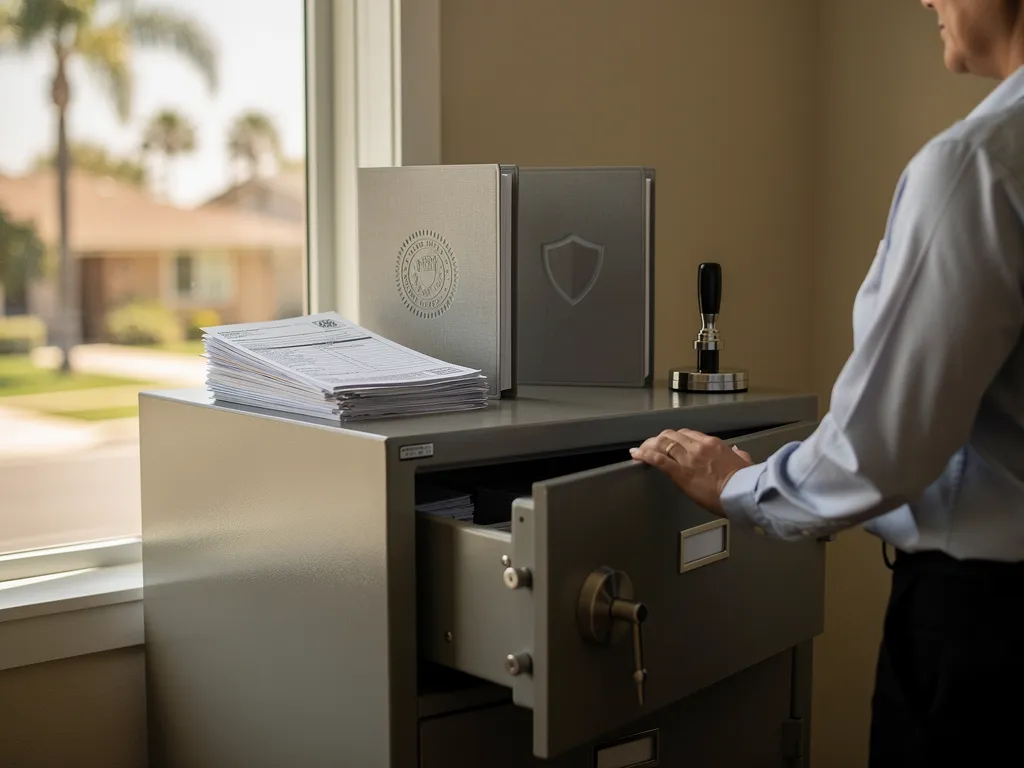
A complete risk management plan pairs the mandatory CTEC bond with a professional liability policy. The bond satisfies state law and protects clients, while E&O insurance shields your business assets from lawsuits over errors or missed deadlines. Secure both layers now to operate legally and defend your practice against claims the bond never covers.
Frequently Asked Questions
Is E&O insurance required for California tax preparers?
No. State law requires only the CTEC surety bond for registration. E&O insurance is typically voluntary, though certain clients, employers, or local jurisdictions may require it as a condition of engagement.
What’s the difference between a CTEC bond and E&O insurance?
A CTEC bond is a mandatory surety requirement that protects clients from fraud, misrepresentation, or theft; if a claim is paid out, the preparer must reimburse the surety company. E&O insurance is voluntary professional liability coverage that protects the preparer’s own business assets against claims of negligence, inaccurate advice, or missed deadlines.
What does a tax preparer errors and omissions policy cover?
It covers claims alleging negligence, inaccurate advice, or misrepresentation on a client’s return, including legal defense costs, settlements, and judgments. Common triggers include missed filing deadlines, data entry mistakes, and advice that leads to unexpected tax liability.
Can a California tax preparer be sued even for an honest mistake?
Yes. Liability attaches even when an error was unintentional. A miscalculated deduction or credit can trigger an audit, an unexpected tax bill, and a formal negligence claim, leaving the preparer responsible for legal defense costs without proper coverage.
How do the CTEC bond and E&O insurance work together?
They form complementary layers of a complete risk management plan. The bond satisfies CTEC’s regulatory requirement and protects clients, while E&O insurance addresses the financial reality of lawsuits over professional errors, protecting the preparer’s own assets.